
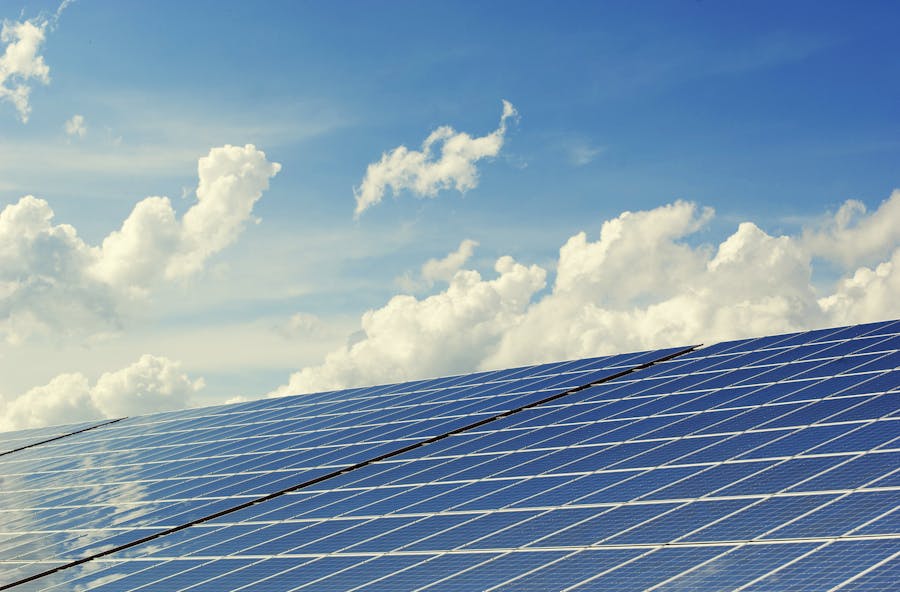
Built for High-Electricity-Consumption Properties
Use this calculator for an initial view before SKIG reviews your load, roof, shadow, structure, and usage pattern.
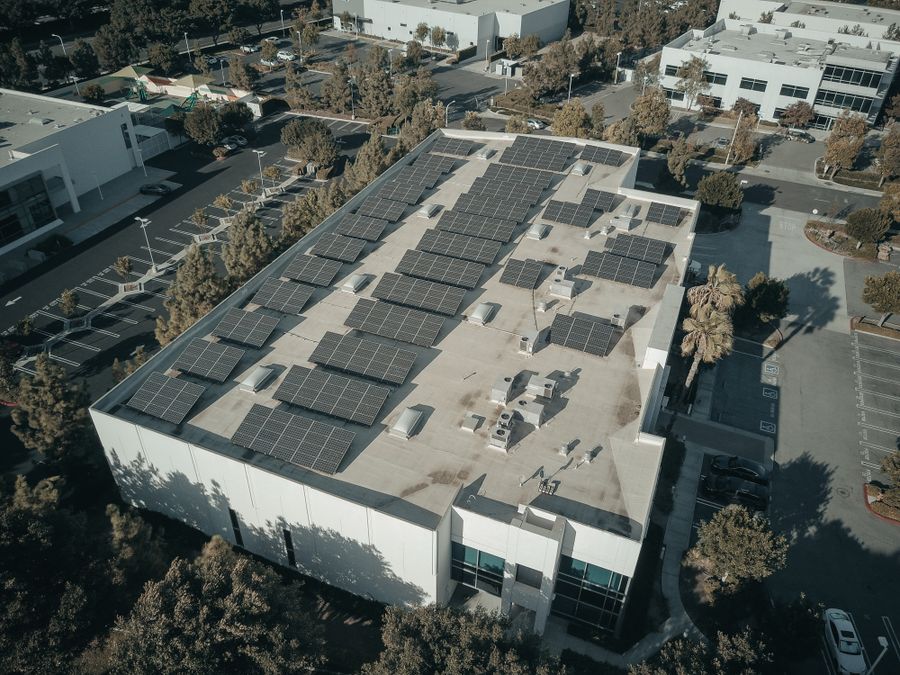
Schools & Colleges
Estimate savings for classrooms, labs, hostels, admin blocks, and campus facilities.
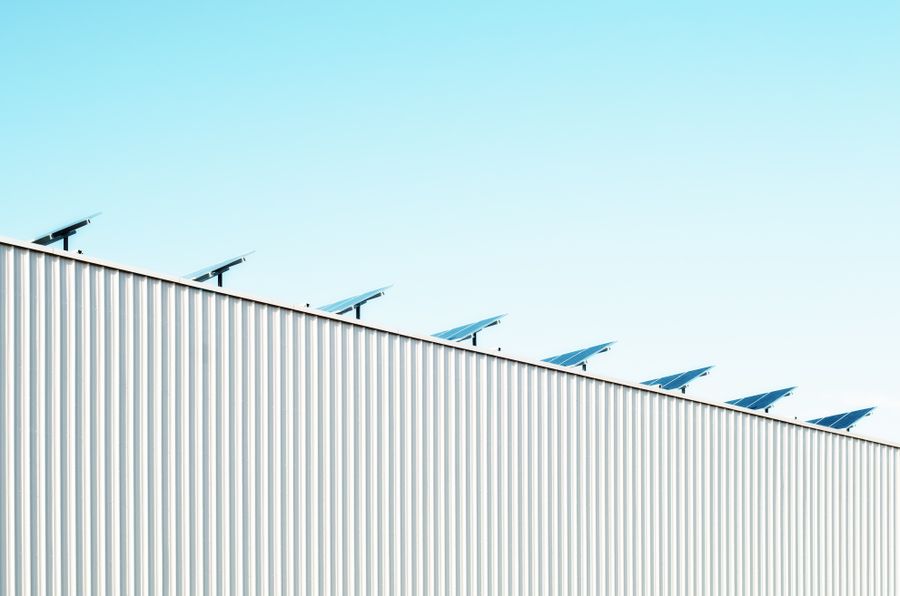
Hospitals & Hotels
Review solar potential for facilities with consistent daily power requirements.
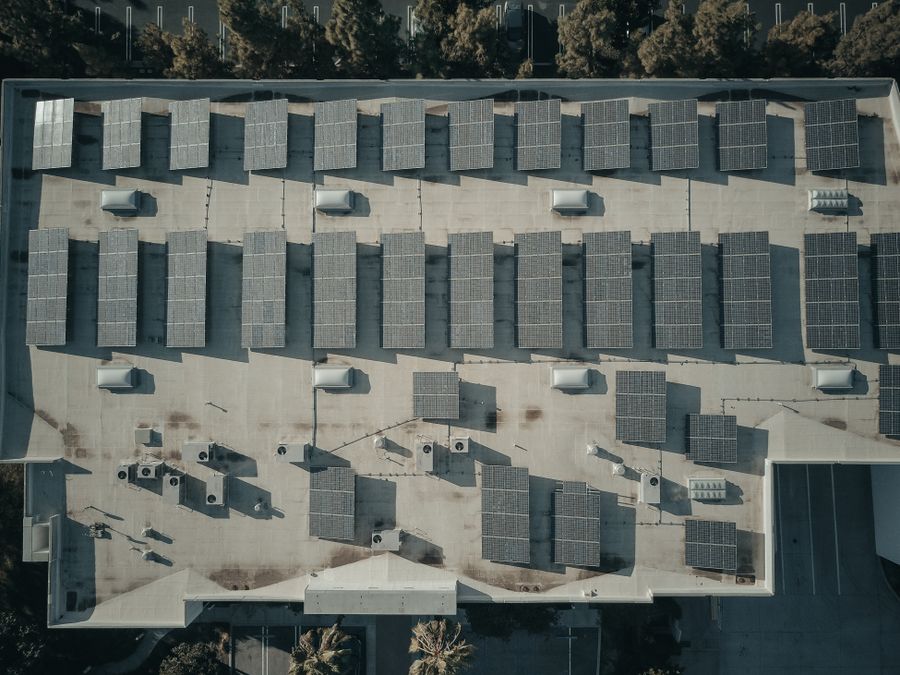
Warehouses & Factories
Use large rooftops or shed areas to reduce operational electricity expenses.
Business Solar Guide for Better Decisions
Understand the main solar options, consumption fit, cost factors, and site checks before finalizing a commercial solar system.
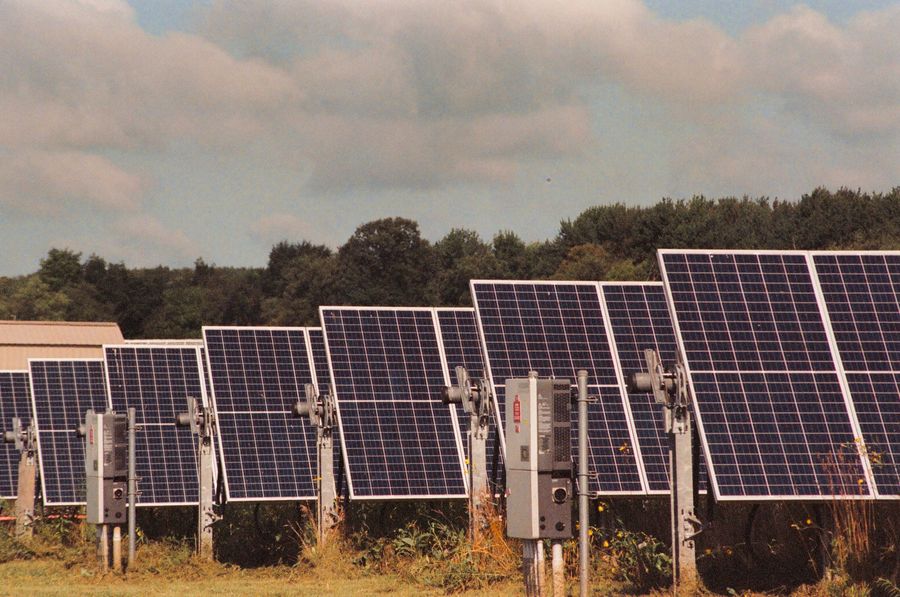
Best Business Fit
Commercial solar works well for places with high daytime electricity use and stable monthly bills.
- Schools, colleges, hospitals, hotels, factories, warehouses, malls, offices, showrooms, and cold storage units.
- Higher monthly EB bills usually make solar payback faster.
- Daytime usage gives the strongest benefit because solar generation happens during sunlight hours.
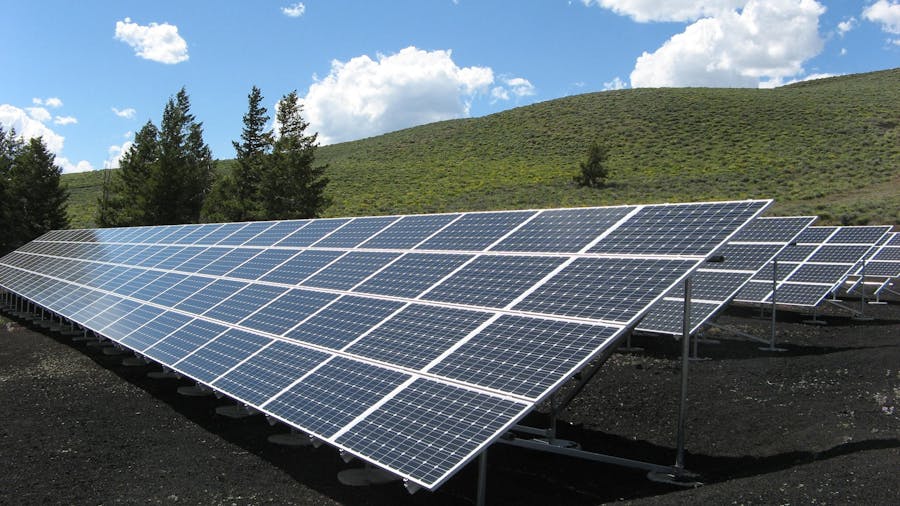
On-Grid Solar
On-grid systems connect with the electricity board supply and are common for commercial properties.
- Best when grid power is available and the goal is bill reduction.
- Generated solar power is used by the building first.
- Net metering or export rules depend on local DISCOM policy.
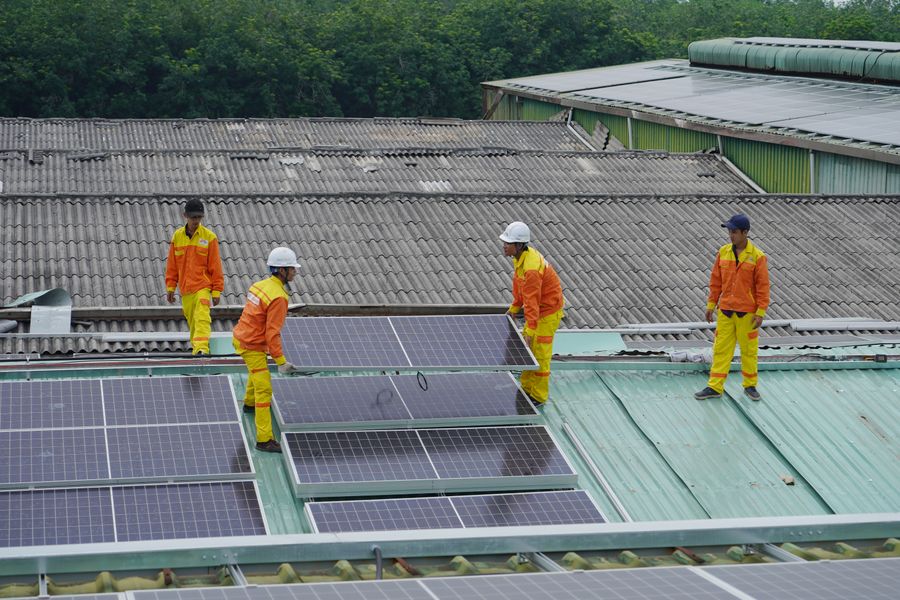
Hybrid Solar
Hybrid systems combine solar, grid, and battery backup for sites that need extra power security.
- Useful for hospitals, critical equipment, offices, and facilities with power-cut concerns.
- Battery cost increases project budget but can improve backup reliability.
- Backup design depends on essential load, runtime need, and battery capacity.
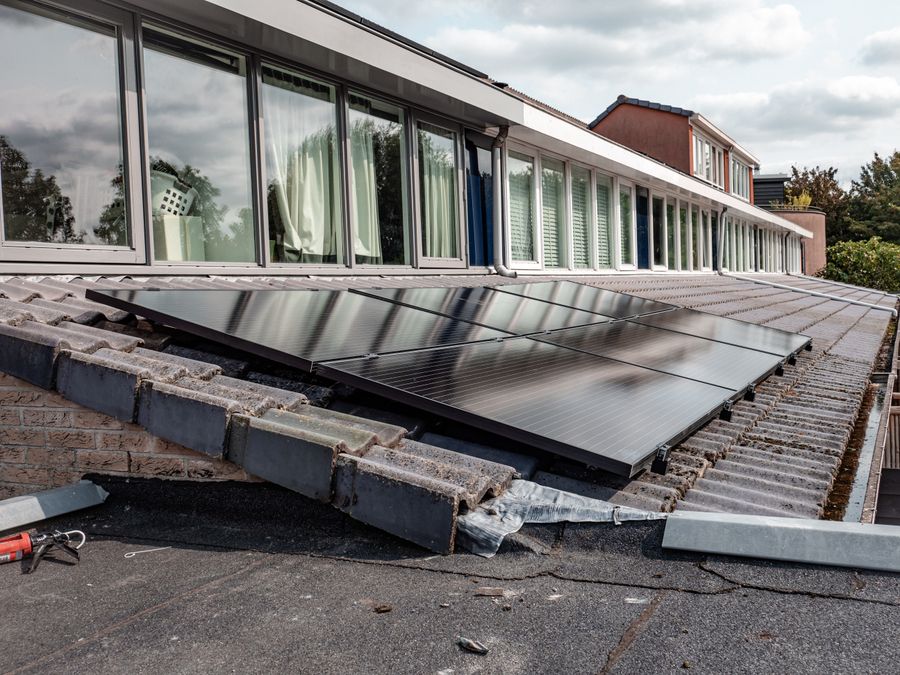
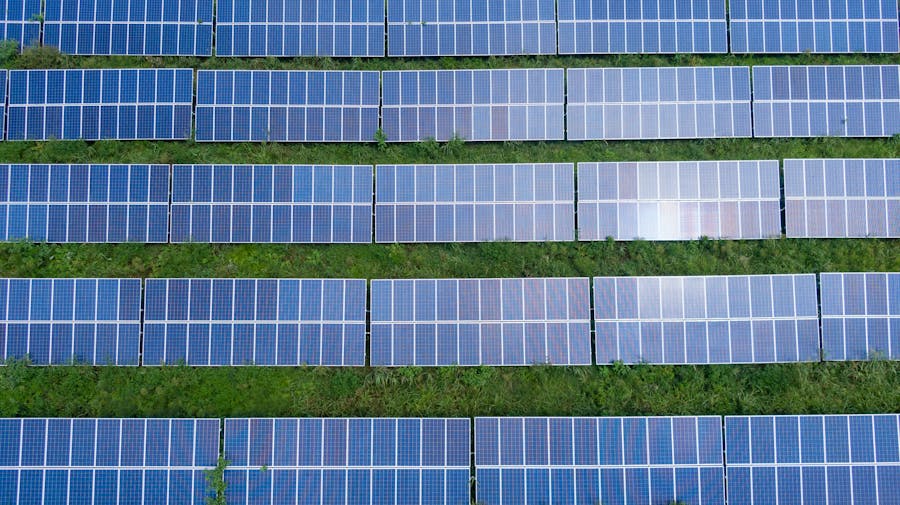
Rooftop Solar
Rooftop solar uses unused roof area to generate power without needing extra land.
- Works on RCC roofs, metal sheds, factory roofs, parking structures, and large commercial buildings.
- Shadow-free area, roof strength, access, and direction affect generation.
- Final structure depends on wind load, roof type, and site safety.
Off-Grid Solar
Off-grid solar works without regular grid dependency and needs battery storage for night or backup use.
- Useful for remote sites, farmhouses, telecom loads, and locations with weak grid supply.
- Battery sizing is important because the system must support load when solar is not generating.
- Cost is usually higher than on-grid because batteries and backup design are required.
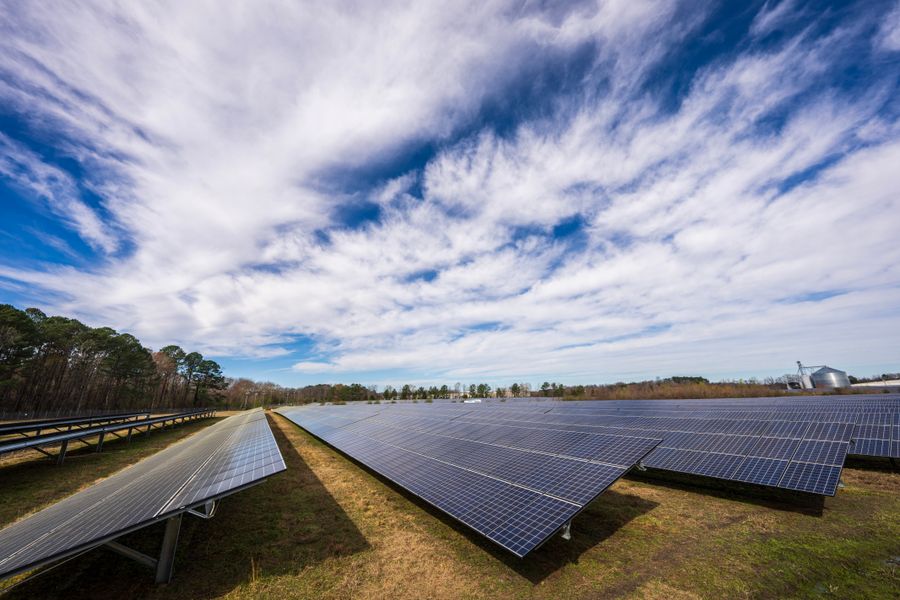
Ground-Mounted Solar
Ground-mounted systems are installed on open land when roof space is limited or unsuitable.
- Good for factories, institutions, farms, and businesses with available land.
- Panel angle and layout can be optimized more easily than many rooftops.
- Land availability, fencing, cleaning access, and cable distance affect design.
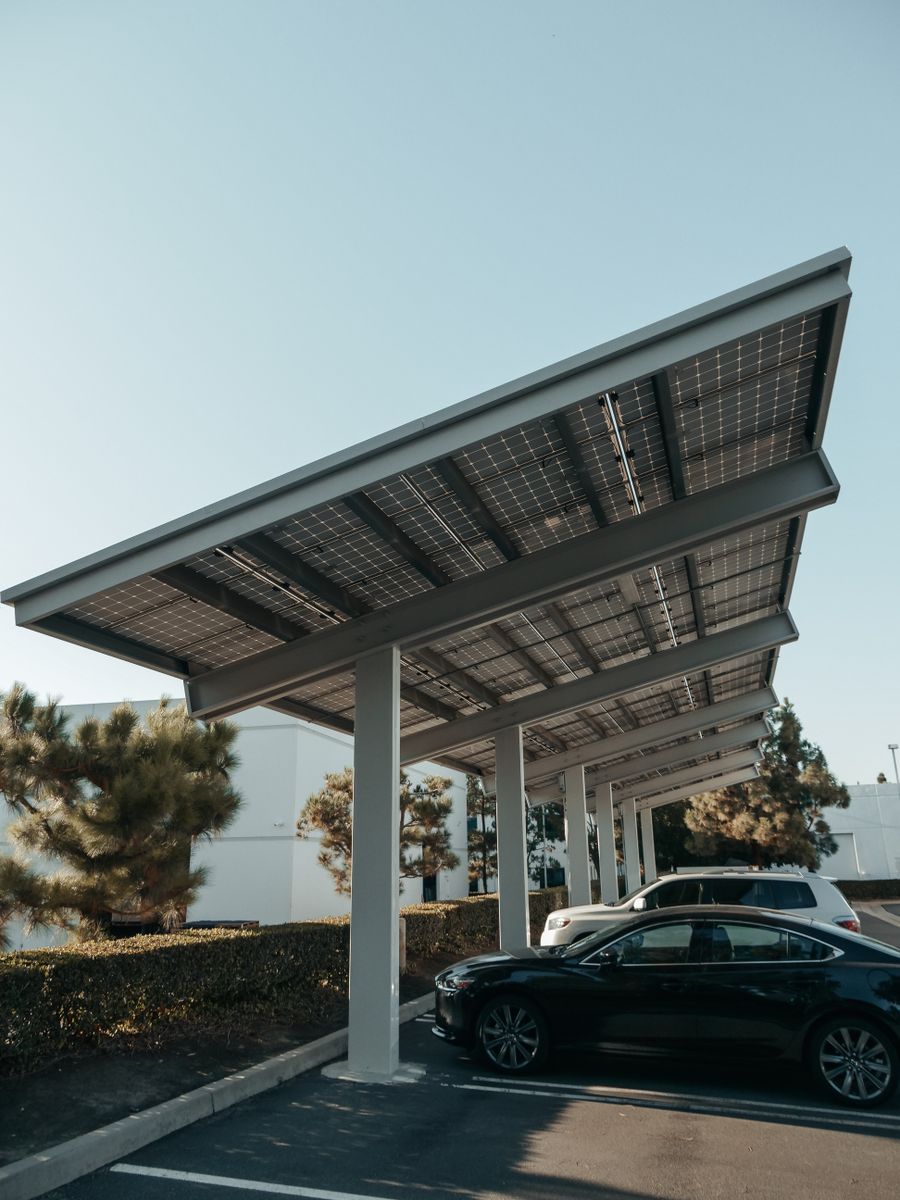
Solar Carport
Solar carports generate power while creating shaded parking for staff, visitors, or customers.
- Useful for hospitals, colleges, resorts, offices, malls, and large parking areas.
- Can be combined with EV charging depending on electrical design and approvals.
- Structure cost is higher than simple rooftop mounting but gives dual use of space.
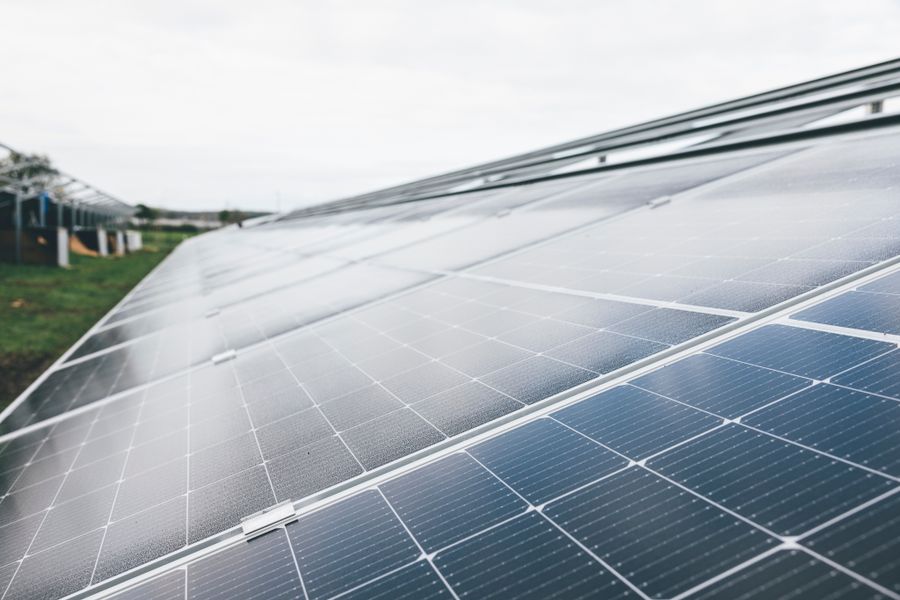
Consumption & Sizing
Solar size is based on electricity usage, sanctioned load, tariff, working hours, and available installation area.
- A 1 kW system can generate roughly 100-130 units per month depending on location and weather.
- Businesses with steady daytime load can use more solar directly.
- Oversizing without usage or export approval can reduce financial benefit.
Cost & ROI Factors
Project cost and payback change based on equipment quality, mounting structure, wiring, approvals, and site complexity.
- Panels, inverter, structure, cables, earthing, lightning protection, and installation all affect cost.
- Higher EB tariff and high daytime consumption usually improve ROI.
- Commercial projects often compare CAPEX, EMI, and OPEX/PPA models.
CAPEX, EMI & OPEX
Businesses can choose a payment model based on budget, ownership preference, and savings target.
- CAPEX means the business owns the system and keeps the full savings.
- EMI spreads project cost monthly while solar savings help offset cash outflow.
- OPEX/PPA has lower upfront cost, but terms and unit rate must be reviewed carefully.
Approvals & Safety
Commercial solar needs proper engineering, electrical protection, and local compliance.
- DISCOM application, net meter process, CEIG/electrical approvals, and load details may be required.
- Good systems include earthing, AC/DC protection, lightning protection, and safe cable routing.
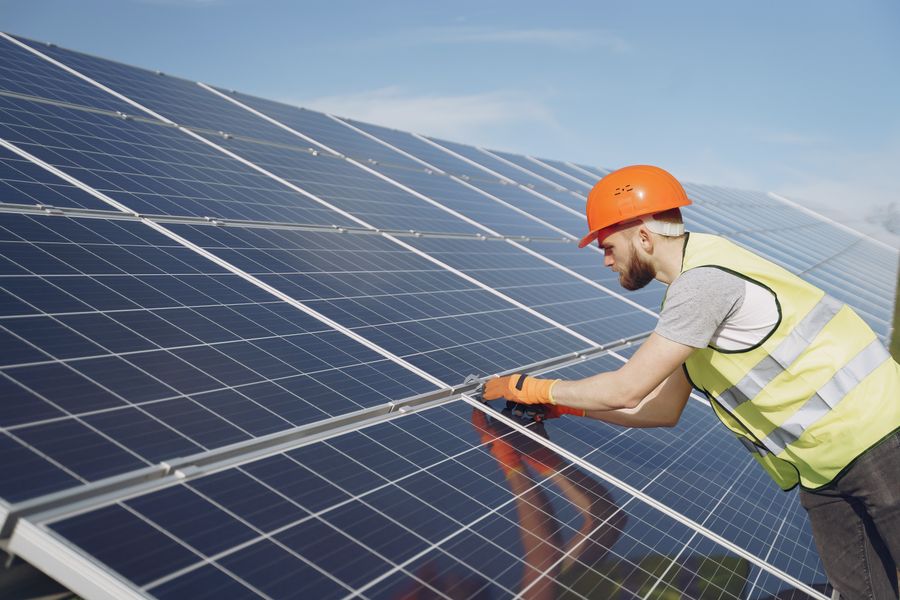
- Site survey checks roof strength, shadows, panel layout, inverter location, and cable path.
Maintenance & Performance
Solar systems need basic care to keep generation strong over many years.
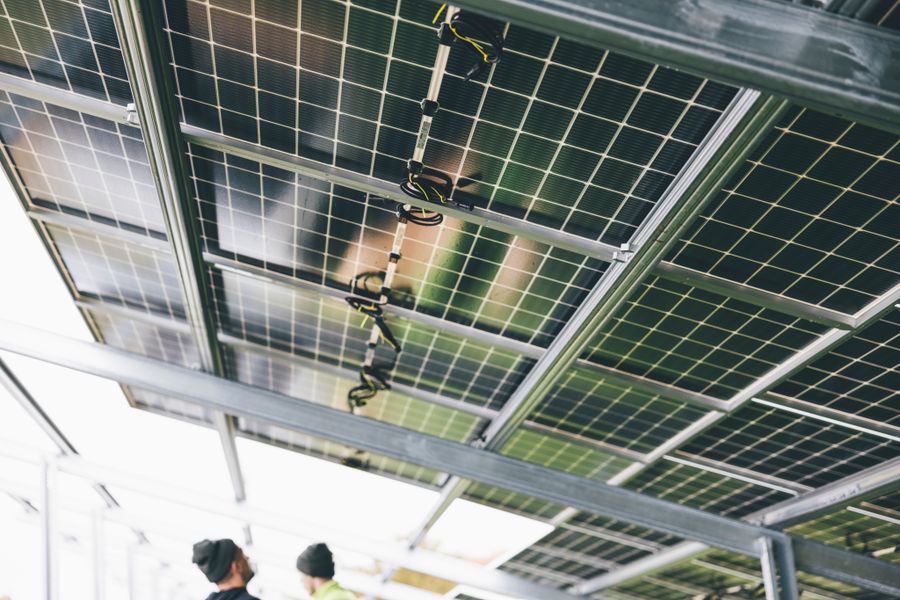
- Panel cleaning, inverter checks, generation monitoring, and cable inspection are important.
- Dust, shade, loose connections, and poor cleaning reduce output.
- Monitoring helps compare expected generation with actual daily performance.